

Weight Loss Diets: When Can They Become Dangerous?
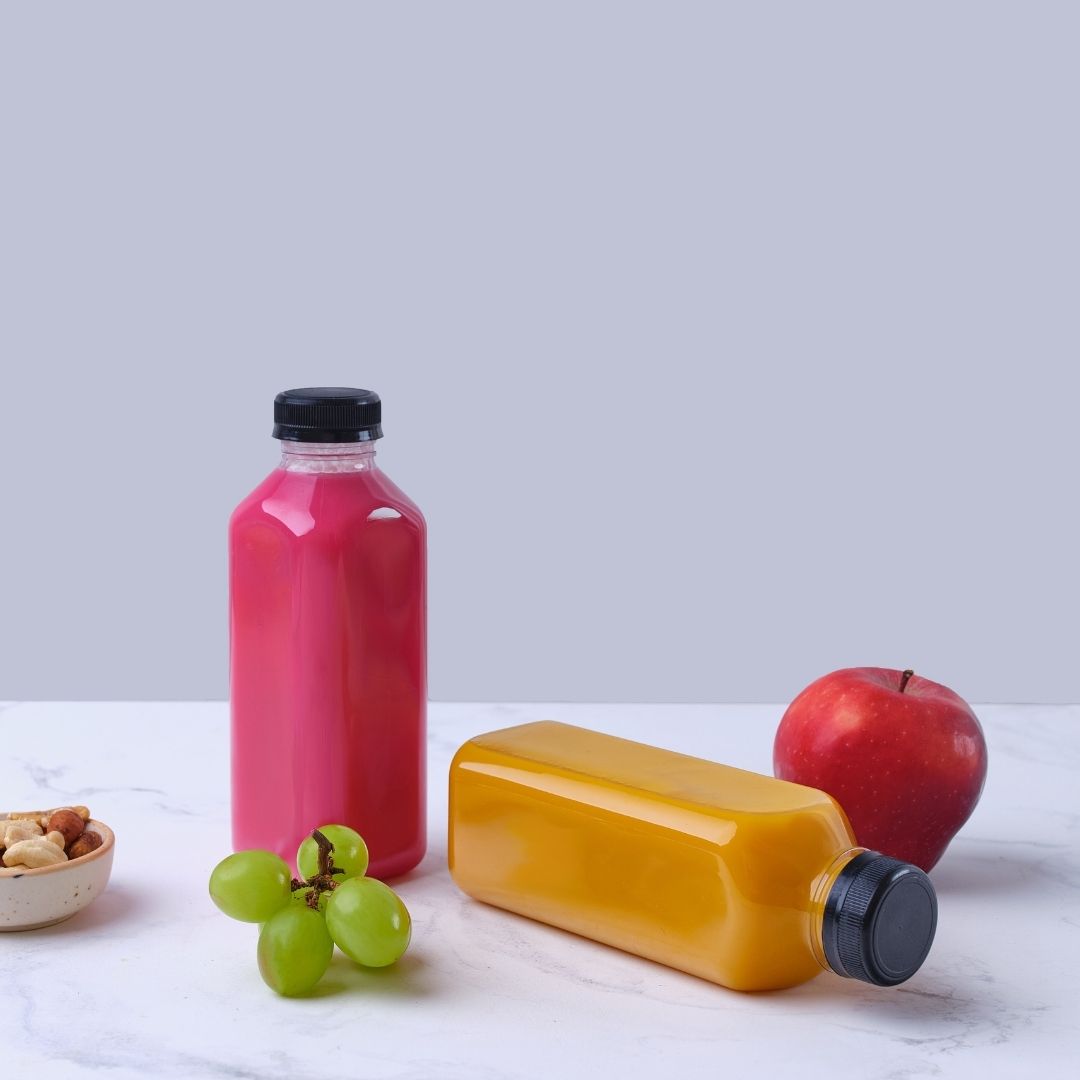
January arrives full of New Year’s resolutions: to start looking after yourself, to exercise more, to eat “better”… and, for many people, to lose weight. After the festive season, social media is flooded with challenges, miracle diets and promises of quick results. Everything seems to revolve around “getting back on track” and “making up for overindulgence”. But here’s the important question: at what cost? The pressure to lose weight quickly leads many people to resort to extreme diets without realising they may be damaging their metabolism, their digestion and their relationship with food. That’s why, as a dietitian and nutritionist specialising in weight loss and eating disorders, I want to speak to you today honestly and from a scientific perspective about when a weight-loss diet can be dangerous and what alternatives exist to truly look after yourself, without punishment or extremes. Types of dangerous diets A. Single-food diets Single-food diets involve consuming practically just one food or food group for several days, for example «the pineapple diet», the «artichoke diet», the «apple diet», the «egg diet» and a whole host of other «miracle» diets. Although there may be rapid weight loss initially, this is mainly due to the loss of fluids and muscle mass, not fat. Most of these diets tend to be low in carbohydrates, meaning that our glucose reserves in the liver and muscles – known as glycogen – are used up without being replenished. To store glucose as glycogen, rather than fat, 4g of water is used for every molecule of glycogen; therefore, the initial weight loss actually consists of those 4g of water per molecule of glycogen. If this rate is maintained, when there is a severe energy deficit, the body begins to use muscle mass as well – which weighs more than fat – and this is reflected on the scales as significant weight loss in a short space of time. Main risks: Deficiencies in essential vitamins and minerals; lack of protein and healthy fats; extreme tiredness, dizziness and weakness; digestive problems; very common weight regain. Furthermore, they do not teach you how to eat or how to develop healthy habits. When these diets are stopped, weight is usually regained quickly. B. Very low-calorie diets Although these diets provide a greater variety of fruit, vegetables and protein, the reality is that diets of fewer than 1,500 kcal do not meet our micronutrient requirements and, in the long term, for more than 4 weeks, a nutritional deficit can disrupt our hormones, alter our gut microbiota and impair our metabolism, fertility and digestion. Very low-calorie diets are usually recognisable by the fact that you feel quite hungry between meals in the first few days. The body is already sending us a signal that this is not the right approach. However, if we continue to eat very little, the body realises this is going to be a long-term situation and goes into survival mode, slowing down your metabolism to conserve energy. This results in rapid initial weight loss followed by a plateau. Furthermore, this lack of energy increases blood levels of cortisol, the stress hormone, which, if sustained over time, can disrupt progesterone secretion and alter the gut microbiota, having direct and negative consequences for fertility, inflammation, the immune system and weight control. C. Detox diets These types of diets are characterised by «cleansing and detoxifying the body» through green juices and a plant-based diet that boosts liver function, which is responsible for eliminating toxins. They are usually very low in calories and low in protein. These types of diets may seem necessary after Christmas, parties, weddings or big feasts, but in reality, all your body needs is to return to normal, eat healthily and get back on track. You don’t need to follow any detox diet to regain your wellbeing. And whilst including vegetables and green juices can bring health benefits – as they’re rich in key nutrients that support liver function – they cannot replace other essential food groups. Vegetables should not replace healthy fats, proteins or complex carbohydrates (such as whole grains and pulses), as doing so once again jeopardises our nutritional balance and our general health. D. Fasting or skipping meals to “make up for it” Many people resort to skipping meals after having “overindulged” the previous day. However, this pattern can create a vicious circle: restriction → intense hunger → binge eating → guilt → restriction. Associated problems: Dysregulation of hunger and satiety; increased obsession with food; metabolic stress; digestive disturbances; greater difficulty in losing weight in the long term. Rather than listening to the body, one enters into a cycle of self-punishment. Strongly discouraged if there is a history of an eating disorder (ED) or a poor relationship with food. What do these diets have in common? They are not sustainable over time; they do not teach you how to eat; they create a fear of certain foods; they cause guilt; they increase obsession; they prioritise weight over health. When the diet ends, the problem resurfaces. And many people get caught in a cycle of ‘diet after diet’ for years. How should we approach eating? Eating shouldn’t be a constant struggle, nor should it be based on: restrictions, extreme control, rigid rules or numbers on the scales. Instead, it should be based on: a flexible lifestyle, tailored to each individual, which supports digestion, metabolism, hormonal balance and emotional wellbeing. Nutrition and weight are not just about calories. Stress, rest, physical activity, emotions and gut health also play a part. Everything is connected. Restricting foods, following a very rigid diet and counting calories can lead to anxiety around food, frustration, emotional distress and a poor relationship with food and your body. If you want to lose weight healthily without compromising your long-term health, don’t hesitate to seek nutritional advice and book an appointment with me. Specialised nutrition service Book your appointment
Read MoreLatest entries
Sugar or sweetener: which is better?
1 June 2026
Guilt-free chocolate sponge cake
13 April 2026
 English
  Spanish
  French