

Food anxiety: symptoms, causes, and how to manage it
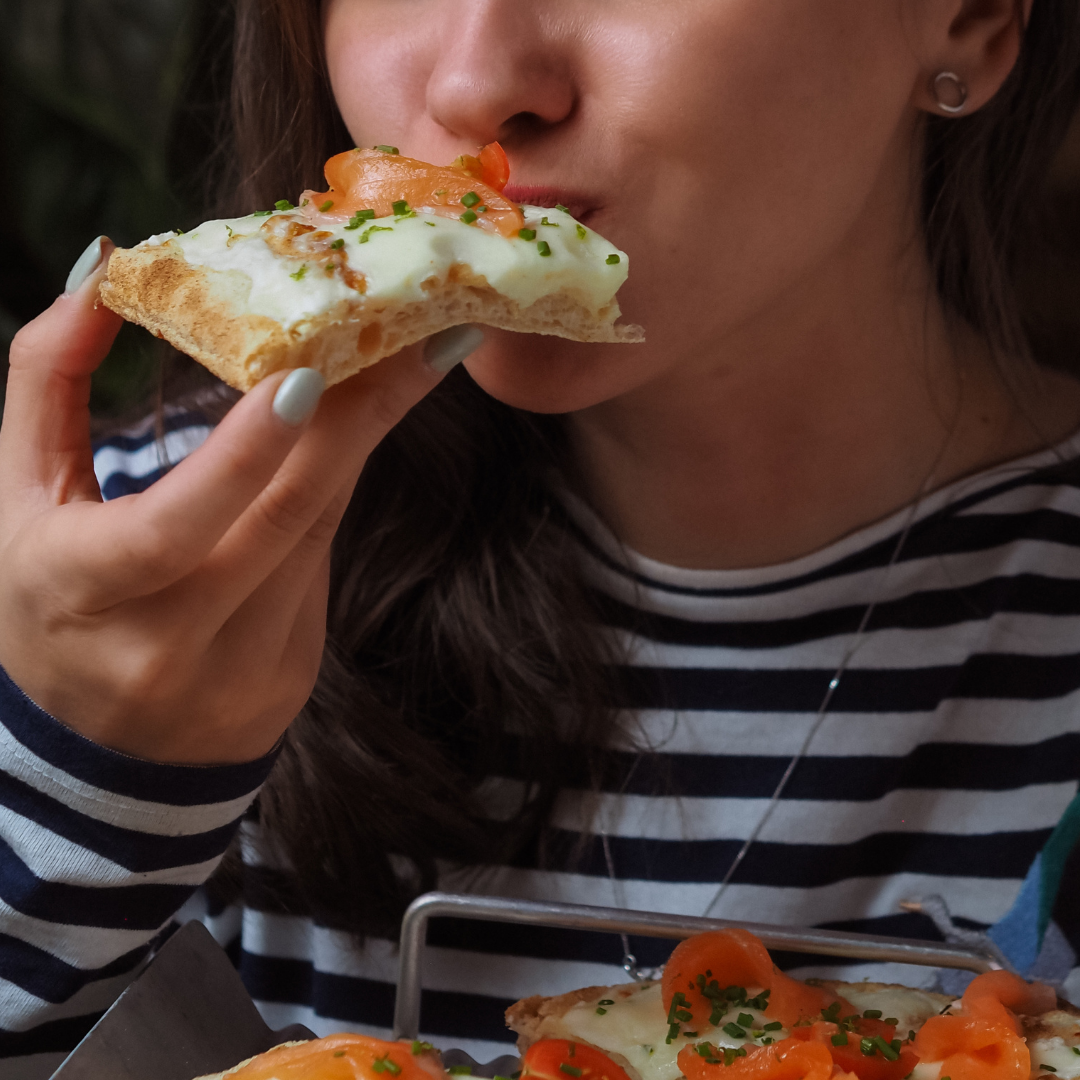
Have you ever felt that urge to eat something specific and ended up eating it quickly and with a certain sense of anxiety, in greater quantities than you expected and finding it hard to stop? Perhaps afterwards you feel guilty, or an uncomfortable feeling of fullness… or both. When this happens frequently, we want to manage the situation, but this ends up causing us even more anxiety about eating specific foods. Anxiety around eating is more common than it seems. And although it’s become normalised, it’s not something we should ignore. If it happens to you often, it can affect your digestive health as well as your weight and self-esteem. In fact, I went through this myself during my time at university; in my case, it was bread, peanut butter and jam. I’d find myself thinking about them all day long. When I finally ate them, I’d do so anxiously, enjoying only the first few minutes, and then I’d be overcome by a mixture of physical and emotional discomfort. Today, I’ve healed my relationship with those foods. It didn’t happen overnight, but I managed it by understanding the root of the problem, managing it mindfully and with self-love. In this article, we’re going to explore why it happens, what triggers it and how to manage it using a holistic approach. 1. What is food-related anxiety? Food-related anxiety isn’t simply «hunger» or «gluttony». It is a feeling of urgency to eat, particularly certain foods (usually highly palatable ones such as sweets, bread, snacks, cold meats, etc.), and when we eat, there is no real enjoyment or awareness of the act of eating; rather, we eat whilst feeling disconnected. Generally, it is not driven by a real physical need for energy, but by a combination of emotional, neurochemical and physiological factors. The most common symptoms of anxiety-driven eating are: Difficulty concentrating due to thoughts of food. This can occur both at social gatherings when we are exposed to food and when we are engaged in another activity that requires concentration, such as working. Eating quickly and generally in excess. It may start with extreme hunger or emotional hunger, but ends up with overeating even when not hungry. Difficulty stopping even when full. Subsequent guilt or remorse. A feeling of bloating or digestive discomfort. 2. Why can’t I stop eating? Once we understand what triggers that anxiety and those emotions, it becomes much easier to manage. It is therefore essential to identify the cause of this overeating. Below, I’ll explain what might be behind this compulsive eating. A. Emotions It’s very common for certain emotions—such as boredom, work- or family-related stress, sadness, self-loathing, or dissatisfaction with our lives—to trigger this anxious eating [1]. Anxiety is always a sign that something isn’t right and that we aren’t managing it effectively. At such times, the body isn’t seeking food out of physiological need, but because of an unresolved emotional need. This is what is known as «emotional hunger», and unlike physiological hunger, it does not develop gradually. When we experience these emotions, our brain activates the alarm system. Cortisol, the stress hormone, is released, which, amongst other things, can increase appetite and the craving for foods high in sugar, fat or salt. These foods are not chosen at random: they produce an immediate, albeit short-lived, pleasurable effect. Eating these foods releases neurotransmitters such as dopamine and serotonin, chemicals that create feelings of well-being and pleasure. For example: Dopamine: This is associated with reward. It is released when we eat something tasty, which reinforces the behaviour and makes us want to repeat it. Serotonin: Regulates mood, sleep and appetite. Certain foods rich in tryptophan (such as bananas, oats or dark chocolate) promote its production. This momentary calming effect can lead us to think that “food soothes”, and to some extent this is true… but it is only superficial relief if we do not address the emotions that lie at the root of our distress. In this sense, food acts as a temporary fix. That’s why it’s important to have other tools for managing emotions — especially when they’re recurring or affect our self-esteem and health — such as writing, talking to someone you trust, meditating, going for a walk, exercising, doing something you enjoy, or seeking psychological therapy. The key is to understand that eating can be a valid tool, provided it is used occasionally and mindfully. In this way, we can eat with greater peace of mind, truly enjoy our food and stop when we feel satisfied. B. A poor relationship with food and the body Misinformation about nutrition, combined with certain social or family environments that promote beliefs such as “to lose weight you have to eat less”, “this food makes you put on weight” or “this food is bad”, rather than encouraging a healthy and balanced lifestyle, can seriously damage our relationship with food. When we start to view certain foods as forbidden or bad, the desire to eat them intensifies and a cycle of overeating can begin, followed by guilt or compensatory behaviours, such as dietary restrictions or exercise. This pattern becomes a vicious circle that is difficult to break. Furthermore, we live in a society where extreme thinness and aesthetic perfection — no wrinkles, no double chin, no spots, no body hair, a small nose, ideal measurements, perfect hair — are rewarded, whilst being overweight or having any bodily “imperfection” is judged, ridiculed or rendered invisible. This makes it increasingly difficult to build a healthy relationship with our bodies. Our inner dialogue can become critical, demanding and even cruel, undermining our self-esteem. Body dissatisfaction not only damages our self-perception, but can also lead to disordered eating behaviours, such as eating larger quantities – «well, it’s going to make me feel ill anyway, so what’s the point?», «Well, I’ve already overindulged, what’s the harm?» – prolonged fasting or reducing calorie intake, used as a form of punishment for having eaten “too much”. C.
Read MoreLatest entries
Sugar or sweetener: which is better?
1 June 2026
Guilt-free chocolate sponge cake
13 April 2026
 English
  Spanish
  French