

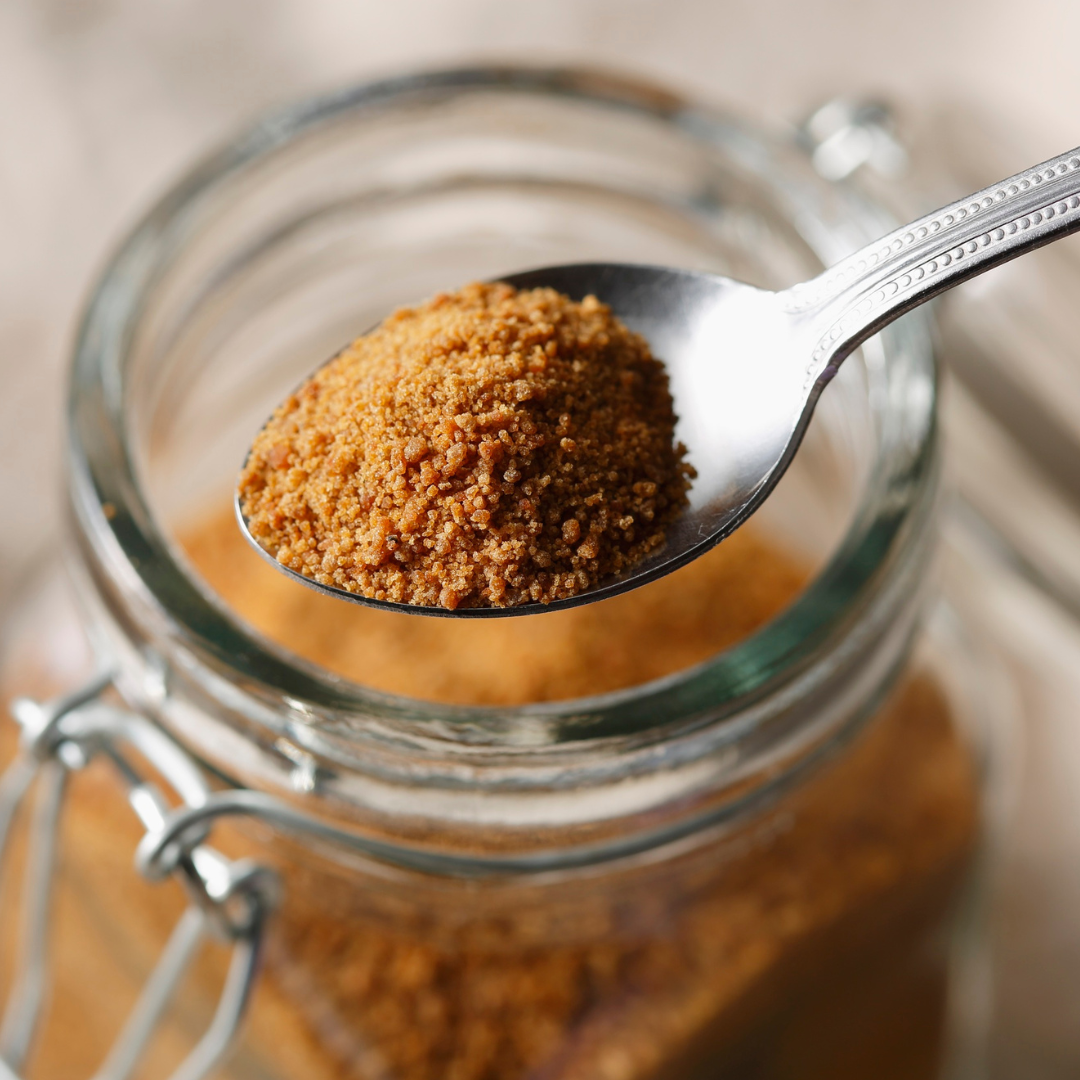
Sugar or sweetener: which is better?
1. What are sugars? Sugars are simple carbohydrates that our body uses as a quick source of energy. The main types are: glucose, which is the form of energy that circulates in the blood and is used by our cells; fructose, found naturally in fruit and honey; lactose, which is the sugar in milk; and sucrose, known as table sugar, which is made up of glucose and fructose. Although they come from different foods, they all ultimately provide the body with energy in the form of glucose, and at a metabolic level, the differences between them are smaller than is often thought when consumed as part of a normal diet. It is true that some contain small amounts of minerals or antioxidants. But in practical terms, the amounts are so small that they have little relevance to health in the context of a normal diet. Therefore, to consider that a tablespoon of honey is healthy whilst a tablespoon of sugar is harmful is an oversimplification of reality. 2. What are sweeteners? Sweeteners are substances that provide a sweet taste with few or no calories. Among the most commonly used are: sucralose, stevia, aspartame, saccharin, acesulfame K and all polyols ending in «-itol» (xylitol, maltitol, etc.). They are commonly used in soft drinks, yoghurts, desserts, chewing gum, protein drinks and many products labelled «sugar-free» or «light». Over recent years, the food industry’s use of sweeteners has increased significantly, giving rise to numerous concerns and myths. However, despite the bad reputation they have acquired on social media, the most recent scientific reviews show that, when consumed within the recommended amounts, they are safe for the general population. Do sweeteners increase hunger? At present, the available evidence does not show that sweeteners significantly increase hunger in most people. In fact, when used as a substitute for sugar, they can help reduce total calorie intake and facilitate weight control in some situations. However, cravings and constant hunger depend on many more factors than just a single ingredient. Do sweeteners harm the gut microbiota? There is currently no solid evidence to suggest that regular consumption of sweeteners within the recommended amounts harms the gut microbiota of healthy people. Nevertheless, in cases of abdominal pain, wind, bloating or frequent loose stools, some types of sweeteners – particularly certain polyols – may cause or worsen these symptoms. In such cases, it is best to remove all sweeteners from your diet and assess whether there is any improvement. Do sweeteners maintain a sweet tooth? Both sugar and sweeteners activate the sweet taste receptors. And our taste buds constantly adapt to what we consume. When we are used to very intense flavours, naturally sweet foods may seem insufficient to us: fruit may seem less sweet. Plain yoghurt may seem bland. Unsweetened coffee may seem unthinkable. Not because there is anything wrong with these foods, but because our sweetness threshold has shifted. 3. Which is better: sugar or sweeteners? This is probably the most frequently searched question online. And the answer is: it depends on the context. When it comes to glycaemic control or reducing calorie intake, sweeteners can be a useful tool. But if we’re talking about improving your relationship with food, managing cravings or learning to listen to your hunger and fullness cues, swapping sugar for sweeteners doesn’t usually solve the underlying problem. The most important question isn’t which sweetener you choose, but why you feel the need to eat sweet foods so often. 4. Am I addicted to sugar? Many people believe they have a sugar addiction when, in reality, they have one or more factors that contribute to and explain their cravings for sweet things: Your diet isn’t balanced: When it’s lacking in protein, fibre or minimally processed foods, it’s easier to feel hungry shortly after eating. And when hunger strikes, sweet foods tend to be particularly appealing. You don’t get enough sleep: Poor sleep disrupts the hormones linked to appetite. As a result, hunger increases, as does the craving for highly palatable, energy-dense foods. You live with constant stress: Chronic stress drives the search for quick rewards. And sweet flavours are one of the easiest and most accessible ways to achieve that momentary sense of well-being. You use food to manage your emotions: Sometimes we don’t reach for sugar because we’re hungry. We’re looking for relief, distraction, pleasure or calm. And the more we turn to sweet foods to manage our emotions, the harder it becomes to break that pattern. Food restriction: Having a list of «forbidden foods» increases the desire to eat them and may explain why we crave them. The most common restriction is ‘carbohydrates’. Insufficient daily food intake: Running a large calorie deficit increases feelings of hunger and cravings to counteract the lack of nutrients and energy. High consumption of sweet foods: The more we are exposed to intensely sweet flavours, the more we need them to feel the same level of satisfaction; and the reverse is also true: as we gradually reduce that level of sweetness, less sugary foods begin to taste more pleasant. Whilst sugar activates our reward and pleasure system, it does not meet the clear criteria for dependence in the way that addictive substances do. Therefore, there is no such thing as a ‘sugar addiction’; rather, it is a matter of poorly structured and unbalanced eating habits, poor emotional management and/or a lack of nutritional education. 5. My conclusion as a dietitian and nutritionist I do not consider sugar to be an enemy, nor do I believe that sweeteners pose a problem for most people when consumed regularly and as part of a balanced diet. Nor do I believe that swapping one for the other is the magic solution to cravings, food-related anxiety or difficulties with weight loss. Because, in most cases, the root cause of these issues lies not in a single ingredient, but in the combination of habits and circumstances surrounding our diet. The aim shouldn’t be to cut out sweet things altogether
Read More
Guilt-free chocolate sponge cake
If you’ve come here today, I want to talk about guilt. That feeling that creeps in when we eat something we think we “shouldn’t” be eating. And today I want to tell you something fundamental: no food deserves to make you feel guilty. It doesn’t matter if it’s higher in fat, sugar or calories. No food is “bad” in and of itself. What matters is the relationship we have with food and how it connects us to our emotions and our wellbeing. Eating without guilt: reconnect with your emotions Learning to enjoy food without guilt means: Listening to your body and its signals of hunger and fullness. Recognising pleasure as part of eating, not as a forbidden luxury. Reducing the anxiety and sense of conflict that arise when we eat out of fear or guilt. Remember: the pleasure of eating isn’t the enemy of your health. It’s essential for establishing a genuine balance and a healthy relationship with food. Make your favourite recipe, just as you fancy it. If you feel like baking your favourite chocolate cake today, go ahead. You don’t need “light” or “healthy” versions to enjoy it. The important thing is to allow yourself to enjoy it fully and reconnect with the satisfaction you get from cooking and eating the things you love. Every bite can be a reminder that food is about pleasure, connection and self-care, not guilt or punishment. The important thing is that these kinds of foods don’t replace the consumption of others that truly nourish us and support our health in both the short and long term. Therefore, the key here is to have a balanced and enjoyable diet, leaving room for those foods that bring us pleasure. Clearly, if you want to look for healthier versions, that’s fine. The important thing is to enjoy what you eat and not to eat a substitute dessert that doesn’t really satisfy you. Listen to your hunger cues, eat slowly, savour every mouthful and see that food for what it is: food, not poison or the cause of your weight problem – because the truth is, it isn’t. One of my favourite recipes If you feel that anxiety or guilt about food is getting the better of you, you don’t have to go through it alone. Seeking professional help is an act of self-care and courage. As a specialist in nutrition and eating disorders, I can support you in learning to enjoy food without fear, reduce anxiety and rebuild your relationship with food. If you need support, please don’t hesitate to contact me. Together we can work towards making food a source of pleasure, not conflict. Specialised nutrition service Book your appointment
Read More
Endocrine Disruptors: How They Affect Your Hormones and Gut Microbiota
In my practice, I frequently see symptoms such as persistent tiredness, painful or irregular periods, thyroid problems, difficulty losing weight, infertility, abdominal bloating or mood swings. Often, in addition to stress and diet, there is a silent factor at play: endocrine disruptors. There is growing scientific evidence of their impact, not only on metabolic and hormonal health, but also on the gut microbiota, the disruption of which can exacerbate hormonal imbalance. 1. What are endocrine disruptors? Endocrine disruptors are chemicals with a structure similar to our hormones, capable of interfering with the hormonal system. They can: Mimic hormones (such as oestrogens) Block hormone receptors Alter hormone production or elimination Modify the sensitivity of tissues to hormonal signals The endocrine system regulates key processes such as metabolism, fertility, the menstrual cycle, thyroid function, mood and the stress response. Therefore, disruption to this system can contribute to the development of metabolic, reproductive, immunological and neurological diseases. This is supported by the World Health Organisation (WHO). 2. Where are they found? Bisphenol A (BPA) and microplastics are present in plastic packaging that is particularly exposed to heat, reused or scratched (plastic food containers, plastic bottles and pre-packaged ready meals). Tinned food cans also contain BPA in their inner lining, but nowadays tinned food is much more strictly regulated and many companies have removed it from their cans. Parabens, phthalates, benzophenones, synthetic fragrances and triclosan are found in cosmetics (creams, shampoos, make-up, etc.), personal care products and household cleaning products. Pesticides and herbicides found in conventional farming, particularly in soft fruits, grapes and apples. Perfluorinated compounds (PFOS, PFOA) found in scratched or damaged non-stick frying pans. Mycotoxins: Consuming food contaminated with mould or having damp patches in the home with mould that release mycotoxins into the air. Occasional contact has no effect on our bodies, but constant, cumulative exposure does. 3. What impact does this have on our microbiota? Recent evidence shows that these compounds act as modulators of the gut ecosystem. It has been observed that continued exposure reduces the bacterial diversity of our microbiota and can affect the intestinal barrier by increasing local inflammation (leading to a higher risk of intolerances, infections, and digestive and hormonal disorders). The gut is also an endocrine and detoxifying organ; when its balance is disrupted, so too is hormonal regulation. 4. What can we do? Realising that exposure to these substances can affect us in the long term does not mean becoming obsessed, but rather learning to reduce our exposure gradually and realistically. Start with some of these small changes: Avoid heating food in plastic: use glass containers. Reduce the use of cling film in contact with hot food. Prioritise fresh food and cook more at home: cut down on ultra-processed packaged foods and ready meals. Wash fruit and vegetables thoroughly: use water and scrub them, and peel non-organic fruit and vegetables whenever possible. Use cosmetics labelled as vegan or microplastic-free, and avoid those containing parabens or perfumes in their ingredients. Use stainless steel bottles (filled with tap water or filtered water if the tap water is very hard). Air the house for 5–10 minutes in the morning and evening, and keep mould under control. Do not eat mouldy fruit or food that has gone off. Use natural cleaning products (vinegar, bicarbonate of soda, etc.) or eco-friendly brands such as Natulim, Frosh or Ecover. Below is a brand I work with that produces high-quality, microplastic-free and chemical-free cleaning and home care products. If this is your first purchase, get a 20% discount if you live in Spain or a 10% discount if you live in Germany or France by clicking on the link: ES – 20% discount DE/FR – 10% discount Specialised nutrition service Specialised nutrition service
Read More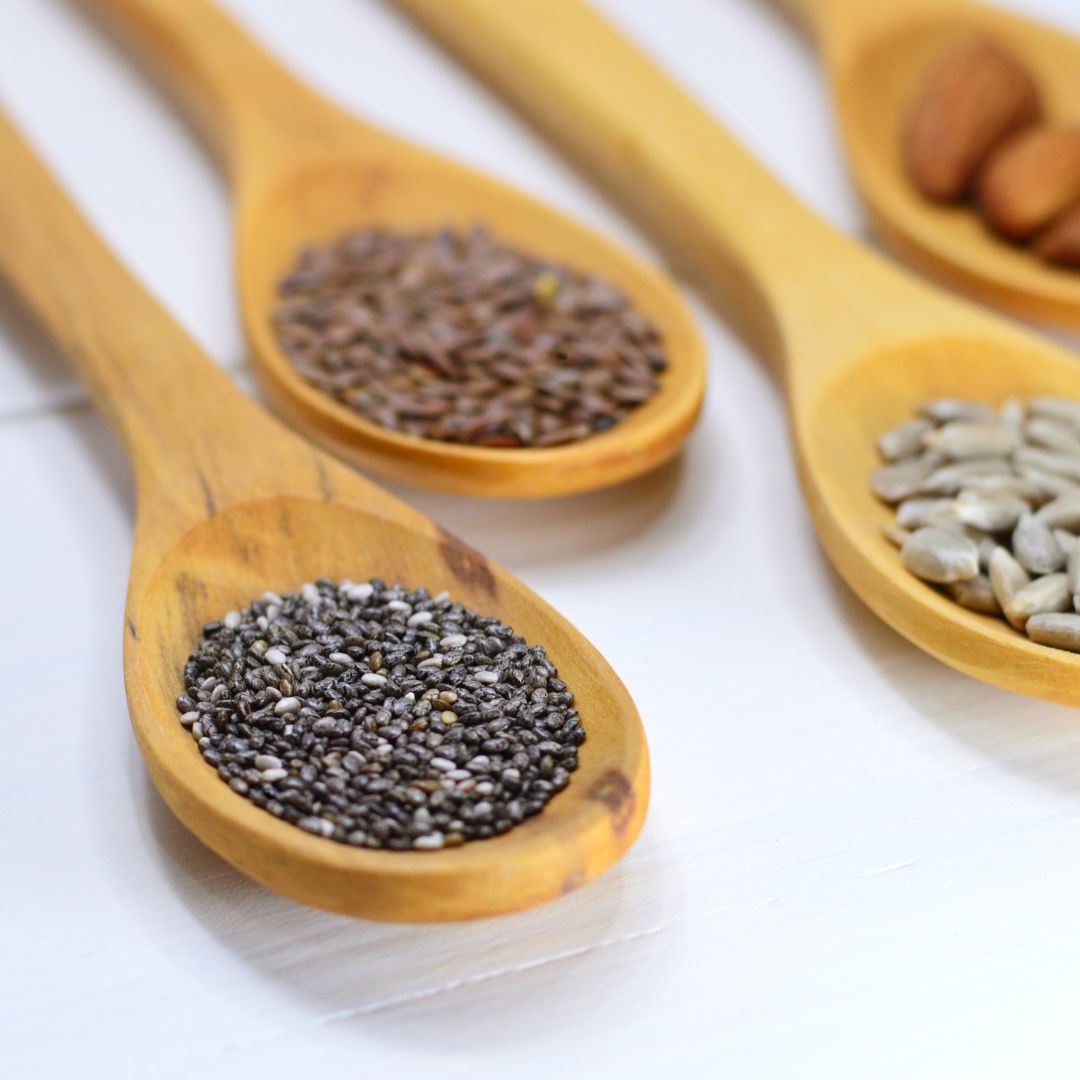
Flax and Chia Seeds: Benefits, How to Take Them, and Their Nutritional Value
Seeds and nuts have formed part of the human diet for thousands of years. Beyond their energy content, they are notable for their high nutritional density and their ability to regulate key bodily functions, such as digestion, metabolism and hormonal balance. Chia seeds (Salvia hispanica) and flax or linseed (Linum usitatissimum) are a clear example of how a small food can help us meet our nutritional requirements easily, whilst offering additional physiological benefits. 1. Their composition: More than just fibre A1. Nutritional profile: Chia seeds High total fibre content (≈34 g/100 g) Rich in soluble fibre, which is responsible for their gelling properties Plant-based source of omega-3 (ALA) Significant amounts of calcium, magnesium, phosphorus, iron and zinc Polyphenols with antioxidant properties A2. Nutritional profile: Linseeds One of the richest dietary sources of omega-3 (ALA) Soluble and insoluble fibre in a balanced ratio Lignans, phytochemicals with hormone-modulating activity B-group vitamins and minerals such as magnesium and potassium B. Fibre, microbiota and gut health: the central axis The main nutritional benefit of chia and flax lies in their fibre, particularly the soluble fibre. This fibre acts as a fermentable substrate for the gut microbiota, promoting the production of short-chain fatty acids (SCFAs), such as butyrate, which has anti-inflammatory effects. SCFAs contribute to the integrity of the intestinal barrier, regulate inflammation and play a role in glucose and lipid metabolism. C. Mucilages: regulators of intestinal transit and gastric protectors. Both chia and flax contain mucilages, a type of soluble fibre capable of absorbing water and forming a viscous gel. This gel fulfils several important physiological functions: In the gut It increases faecal volume and improves bowel movement. It softens stools, facilitating bowel movements. It slows down the absorption of glucose and fats. It contributes to a greater feeling of fullness. At the level of the digestive mucosa: When the seeds are consumed after being thoroughly soaked, particularly chia seeds, their mucilage forms a stable, pudding-like gel (unlike linseed, which forms an unstable gel) and exerts an emollient and protective effect on the digestive mucosa: They coat the gastric and intestinal mucosa. They reduce digestive irritation. They promote epithelial regeneration. They act as a natural gastric protector in mild conditions. This effect is particularly beneficial in cases of: mild gastritis or functional dyspepsia; occasional heartburn or acid reflux; low-grade digestive inflammation; and irritable bowel syndrome with constipation. D. Lignans and hormonal balance Flax is rich in lignans, compounds that are broken down by bacteria in our colon into metabolites called enterodiol and enterolactone, which have a structure similar to oestrogen but with a much weaker effect. For this reason, it can modulate oestrogenic activity by binding to oestrogen receptors and exerting an effect that is weaker than that of oestrogen. This could help to reduce the effects of excess oestrogen in the blood, a factor associated with the development of endometriosis, uterine fibroids, polycystic ovary syndrome and premenstrual syndrome. Although studies in women are limited, in vitro and animal model evidence suggests that it may exert modulatory effects on oestrogen metabolism, improving fertility and reducing associated symptoms. Furthermore, during the menopause there is a marked drop in oestrogen and progesterone levels, leading to the typical symptoms of this stage, such as hot flushes, mood swings and changes in quality of life. In this context, flax may be helpful as it partially activates oestrogen receptors, helping to alleviate some symptoms of the menopause. In fact, clinical trials in peri- and post-menopausal women have found that regular consumption of flax or lignan-rich products (10g/day) is associated with a reduction in the severity of menopausal symptoms and an improvement in quality of life, although the results are not entirely consistent across studies and the effect is clearly more modest than that of hormone replacement therapy, but without side effects. The fact that the gut microbiota is required to convert these compounds into beneficial ones reinforces the idea that the effect of these seeds depends not only on the food itself, but also on the state of each person’s gut microbiota. 2. How should they be prepared to maximise their benefits? The method of consumption is crucial for these seeds to be truly beneficial from a nutritional and physiological perspective. Whole seeds cannot be broken down by our digestive enzymes, and although they subsequently absorb water in the gut, there is not enough time for them to soften sufficiently to allow their compounds and nutrients to be extracted to the full. For this reason, it is important either to soak them beforehand or to grind them and ensure they are properly hydrated. Ground: better bioavailability of omega-3 and lignans. Do not consume them dry without adding a source of hydration afterwards (at least one glass of water). If they do not absorb enough water, they can cause digestive problems and constipation (forming a blockage). Consuming them ground and rehydrated is particularly helpful in cases of loose stools or diarrhoea. Rehydrated whole or ground: ideal for utilising their mucilage and obtaining a protective effect on the digestive system. Chia seeds should be soaked in three times their volume of water, and flax seeds in twice their volume. Soaked or ground seeds can be added to recipes such as cakes, porridge, biscuits or snacks, or simply mixed into yoghurt with fruit. 3. How should they be stored? Whole seeds: Whole seeds can be stored in an airtight container (ideally glass) in the cupboard for a long time – a year or even longer. Ground seeds: It is important to bear in mind that ground seeds come into contact with oxygen, light and heat, and some sensitive components, such as omega-3, degrade much more quickly, as do other compounds such as lignans. For this reason, it is important to store ground seeds in an airtight container in the fridge for 3–4
Read More
Weight Loss Diets: When Can They Become Dangerous?
January arrives full of New Year’s resolutions: to start looking after yourself, to exercise more, to eat “better”… and, for many people, to lose weight. After the festive season, social media is flooded with challenges, miracle diets and promises of quick results. Everything seems to revolve around “getting back on track” and “making up for overindulgence”. But here’s the important question: at what cost? The pressure to lose weight quickly leads many people to resort to extreme diets without realising they may be damaging their metabolism, their digestion and their relationship with food. That’s why, as a dietitian and nutritionist specialising in weight loss and eating disorders, I want to speak to you today honestly and from a scientific perspective about when a weight-loss diet can be dangerous and what alternatives exist to truly look after yourself, without punishment or extremes. Types of dangerous diets A. Single-food diets Single-food diets involve consuming practically just one food or food group for several days, for example «the pineapple diet», the «artichoke diet», the «apple diet», the «egg diet» and a whole host of other «miracle» diets. Although there may be rapid weight loss initially, this is mainly due to the loss of fluids and muscle mass, not fat. Most of these diets tend to be low in carbohydrates, meaning that our glucose reserves in the liver and muscles – known as glycogen – are used up without being replenished. To store glucose as glycogen, rather than fat, 4g of water is used for every molecule of glycogen; therefore, the initial weight loss actually consists of those 4g of water per molecule of glycogen. If this rate is maintained, when there is a severe energy deficit, the body begins to use muscle mass as well – which weighs more than fat – and this is reflected on the scales as significant weight loss in a short space of time. Main risks: Deficiencies in essential vitamins and minerals; lack of protein and healthy fats; extreme tiredness, dizziness and weakness; digestive problems; very common weight regain. Furthermore, they do not teach you how to eat or how to develop healthy habits. When these diets are stopped, weight is usually regained quickly. B. Very low-calorie diets Although these diets provide a greater variety of fruit, vegetables and protein, the reality is that diets of fewer than 1,500 kcal do not meet our micronutrient requirements and, in the long term, for more than 4 weeks, a nutritional deficit can disrupt our hormones, alter our gut microbiota and impair our metabolism, fertility and digestion. Very low-calorie diets are usually recognisable by the fact that you feel quite hungry between meals in the first few days. The body is already sending us a signal that this is not the right approach. However, if we continue to eat very little, the body realises this is going to be a long-term situation and goes into survival mode, slowing down your metabolism to conserve energy. This results in rapid initial weight loss followed by a plateau. Furthermore, this lack of energy increases blood levels of cortisol, the stress hormone, which, if sustained over time, can disrupt progesterone secretion and alter the gut microbiota, having direct and negative consequences for fertility, inflammation, the immune system and weight control. C. Detox diets These types of diets are characterised by «cleansing and detoxifying the body» through green juices and a plant-based diet that boosts liver function, which is responsible for eliminating toxins. They are usually very low in calories and low in protein. These types of diets may seem necessary after Christmas, parties, weddings or big feasts, but in reality, all your body needs is to return to normal, eat healthily and get back on track. You don’t need to follow any detox diet to regain your wellbeing. And whilst including vegetables and green juices can bring health benefits – as they’re rich in key nutrients that support liver function – they cannot replace other essential food groups. Vegetables should not replace healthy fats, proteins or complex carbohydrates (such as whole grains and pulses), as doing so once again jeopardises our nutritional balance and our general health. D. Fasting or skipping meals to “make up for it” Many people resort to skipping meals after having “overindulged” the previous day. However, this pattern can create a vicious circle: restriction → intense hunger → binge eating → guilt → restriction. Associated problems: Dysregulation of hunger and satiety; increased obsession with food; metabolic stress; digestive disturbances; greater difficulty in losing weight in the long term. Rather than listening to the body, one enters into a cycle of self-punishment. Strongly discouraged if there is a history of an eating disorder (ED) or a poor relationship with food. What do these diets have in common? They are not sustainable over time; they do not teach you how to eat; they create a fear of certain foods; they cause guilt; they increase obsession; they prioritise weight over health. When the diet ends, the problem resurfaces. And many people get caught in a cycle of ‘diet after diet’ for years. How should we approach eating? Eating shouldn’t be a constant struggle, nor should it be based on: restrictions, extreme control, rigid rules or numbers on the scales. Instead, it should be based on: a flexible lifestyle, tailored to each individual, which supports digestion, metabolism, hormonal balance and emotional wellbeing. Nutrition and weight are not just about calories. Stress, rest, physical activity, emotions and gut health also play a part. Everything is connected. Restricting foods, following a very rigid diet and counting calories can lead to anxiety around food, frustration, emotional distress and a poor relationship with food and your body. If you want to lose weight healthily without compromising your long-term health, don’t hesitate to seek nutritional advice and book an appointment with me. Specialised nutrition service Book your appointment
Read More
Food anxiety: symptoms, causes, and how to manage it
Have you ever felt that urge to eat something specific and ended up eating it quickly and with a certain sense of anxiety, in greater quantities than you expected and finding it hard to stop? Perhaps afterwards you feel guilty, or an uncomfortable feeling of fullness… or both. When this happens frequently, we want to manage the situation, but this ends up causing us even more anxiety about eating specific foods. Anxiety around eating is more common than it seems. And although it’s become normalised, it’s not something we should ignore. If it happens to you often, it can affect your digestive health as well as your weight and self-esteem. In fact, I went through this myself during my time at university; in my case, it was bread, peanut butter and jam. I’d find myself thinking about them all day long. When I finally ate them, I’d do so anxiously, enjoying only the first few minutes, and then I’d be overcome by a mixture of physical and emotional discomfort. Today, I’ve healed my relationship with those foods. It didn’t happen overnight, but I managed it by understanding the root of the problem, managing it mindfully and with self-love. In this article, we’re going to explore why it happens, what triggers it and how to manage it using a holistic approach. 1. What is food-related anxiety? Food-related anxiety isn’t simply «hunger» or «gluttony». It is a feeling of urgency to eat, particularly certain foods (usually highly palatable ones such as sweets, bread, snacks, cold meats, etc.), and when we eat, there is no real enjoyment or awareness of the act of eating; rather, we eat whilst feeling disconnected. Generally, it is not driven by a real physical need for energy, but by a combination of emotional, neurochemical and physiological factors. The most common symptoms of anxiety-driven eating are: Difficulty concentrating due to thoughts of food. This can occur both at social gatherings when we are exposed to food and when we are engaged in another activity that requires concentration, such as working. Eating quickly and generally in excess. It may start with extreme hunger or emotional hunger, but ends up with overeating even when not hungry. Difficulty stopping even when full. Subsequent guilt or remorse. A feeling of bloating or digestive discomfort. 2. Why can’t I stop eating? Once we understand what triggers that anxiety and those emotions, it becomes much easier to manage. It is therefore essential to identify the cause of this overeating. Below, I’ll explain what might be behind this compulsive eating. A. Emotions It’s very common for certain emotions—such as boredom, work- or family-related stress, sadness, self-loathing, or dissatisfaction with our lives—to trigger this anxious eating [1]. Anxiety is always a sign that something isn’t right and that we aren’t managing it effectively. At such times, the body isn’t seeking food out of physiological need, but because of an unresolved emotional need. This is what is known as «emotional hunger», and unlike physiological hunger, it does not develop gradually. When we experience these emotions, our brain activates the alarm system. Cortisol, the stress hormone, is released, which, amongst other things, can increase appetite and the craving for foods high in sugar, fat or salt. These foods are not chosen at random: they produce an immediate, albeit short-lived, pleasurable effect. Eating these foods releases neurotransmitters such as dopamine and serotonin, chemicals that create feelings of well-being and pleasure. For example: Dopamine: This is associated with reward. It is released when we eat something tasty, which reinforces the behaviour and makes us want to repeat it. Serotonin: Regulates mood, sleep and appetite. Certain foods rich in tryptophan (such as bananas, oats or dark chocolate) promote its production. This momentary calming effect can lead us to think that “food soothes”, and to some extent this is true… but it is only superficial relief if we do not address the emotions that lie at the root of our distress. In this sense, food acts as a temporary fix. That’s why it’s important to have other tools for managing emotions — especially when they’re recurring or affect our self-esteem and health — such as writing, talking to someone you trust, meditating, going for a walk, exercising, doing something you enjoy, or seeking psychological therapy. The key is to understand that eating can be a valid tool, provided it is used occasionally and mindfully. In this way, we can eat with greater peace of mind, truly enjoy our food and stop when we feel satisfied. B. A poor relationship with food and the body Misinformation about nutrition, combined with certain social or family environments that promote beliefs such as “to lose weight you have to eat less”, “this food makes you put on weight” or “this food is bad”, rather than encouraging a healthy and balanced lifestyle, can seriously damage our relationship with food. When we start to view certain foods as forbidden or bad, the desire to eat them intensifies and a cycle of overeating can begin, followed by guilt or compensatory behaviours, such as dietary restrictions or exercise. This pattern becomes a vicious circle that is difficult to break. Furthermore, we live in a society where extreme thinness and aesthetic perfection — no wrinkles, no double chin, no spots, no body hair, a small nose, ideal measurements, perfect hair — are rewarded, whilst being overweight or having any bodily “imperfection” is judged, ridiculed or rendered invisible. This makes it increasingly difficult to build a healthy relationship with our bodies. Our inner dialogue can become critical, demanding and even cruel, undermining our self-esteem. Body dissatisfaction not only damages our self-perception, but can also lead to disordered eating behaviours, such as eating larger quantities – «well, it’s going to make me feel ill anyway, so what’s the point?», «Well, I’ve already overindulged, what’s the harm?» – prolonged fasting or reducing calorie intake, used as a form of punishment for having eaten “too much”. C.
Read More
Do you eat mindfully but can’t lose weight? Possible reasons
Do you feel that you’re eating a balanced diet and exercising, yet still can’t see any changes in your body? This situation causes a great deal of frustration for many people and, far from being a matter of willpower or doing «better», it may be due to deeper physiological, hormonal or emotional causes. As a nutritionist, I often see this pattern in my practice: people who are committed to their wellbeing but feel that their bodies aren’t responding as they’d hoped. And here’s the truth: our bodies don’t work like calorie calculators, and there are many factors that can influence fat loss – factors we need to address. 1. Hypothyroidism or hormonal imbalances The thyroid gland regulates key functions such as metabolism, body temperature and energy levels. When this gland does not produce enough thyroid hormones (hypothyroidism), the body reduces its energy expenditure, fluid retention increases, and fatigue, constipation or a feeling of being cold may occur. Although clinical hypothyroidism is detected through specific blood tests (TSH, T3, T4), there is also a subclinical form where test results are still within the normal range but symptoms are present. It is particularly common in women and may be influenced by stress, inflammation and nutritional deficiencies (such as iodine, vitamin D, zinc, selenium or iron). If you suspect this might apply to you, it is important to consult a healthcare professional to review not only your standard test results, but also your symptoms, any nutritional deficiencies and your medical history. 2. Intestinal inflammation and dysbiosis Our gut microbiota consists of a multitude of bacterial strains with different functions that have a direct impact on our overall health. Our gut bacteria do not just digest food and produce nutrients: they also regulate the immune system, produce neurotransmitters and modulate metabolism. When there is an imbalance in the gut microbiota (dysbiosis), beneficial bacteria decrease and microorganisms that cause inflammation, gas, malabsorption and increased intestinal permeability («leaky gut») become predominant. The most common causes of dysbiosis are: Recurrent use of antibiotics or antacids. Chronic stress and disturbances of the nervous system. A diet low in fibre, low in protein and high in ultra-processed foods and/or carbohydrates. Excessive alcohol consumption. Lack of dietary diversity (monotonous diets). This situation can contribute to low-grade systemic inflammation, increase insulin resistance, disrupt satiety signals and promote the storage of abdominal fat. Furthermore, it can affect your mood, as a large proportion of serotonin is produced in the gut. 3. Chronic stress and anxiety disorders Stress does not just affect you mentally: it is a complex physiological state, regulated primarily by the hypothalamic-pituitary-adrenal (HPA) axis. When you are in a constant state of alert, your body releases more cortisol, a hormone that can: raise blood glucose levels and consequently insulin levels, promoting fat accumulation (especially in the abdominal area); reduce sleep quality; and affect your appetite. Prolonged stress also affects the thyroid, reduces the secretion of sex hormones, disrupts the menstrual cycle and weakens the immune system. Furthermore, it alters the balance of the gut microbiota, hindering digestion, nutrient absorption and overall metabolism. Many people with anxiety disorders live in a constant state of stress, even if they are not always aware of it. This kind of persistent anxiety can lead to physical symptoms such as muscle tension, sleep problems, digestive issues or chronic fatigue (mental fatigue), which directly contribute to difficulty in losing weight. Add to this the fact that many people with anxiety tend to soothe their anxiety through food without listening to their hunger and fullness cues, and the result is a vicious circle that hinders weight loss and increases emotional distress. 4. Overly restrictive diets If you’ve tried a thousand and one restrictive diets such as «the pineapple diet» or «the artichoke diet», let me tell you that the only thing you’ve probably achieved is becoming malnourished, losing fluids, muscle and fat – which translates into a rapid drop on the scales. Although it may seem ironic, eating too little can actually cause us to put on weight in the long term. This is mainly because when we «starve the body», our body is unable to distinguish between a diet and starvation. Consequently, when it detects a very low energy intake, it activates the survival mechanisms explained below. Furthermore, a very restrictive diet can lead to long-term micronutrient deficiencies that may ultimately affect thyroid, heart and liver function. In many cases, this actually worsens the body’s metabolism. Such diets are also associated with an increased risk of binge eating, anxiety around food, loss of muscle mass and disturbances in hunger and satiety signals. For this reason, my approach as a nutritionist is to nourish the body without excessive restriction or aggressive measures. To teach the body to trust again and to move out of constant alert mode. Do not hesitate to consult a nutrition professional if you feel that your health and metabolism are compromised. Most common survival mechanisms Reduced energy expenditure: Imagine your body is like a mobile phone; if we only charge it to 40% each day, it’s likely that unless we switch on power-saving mode, it will eventually switch itself off. Our body does the same: «Well, if you give me fewer calories, I’ll have to cut back somewhere (reduced production of hormones and proteins, lower heart rate, etc.).» In the long term, this is a problem, as it means our body ends up needing fewer calories to function; and on a social and emotional level, eating very little isn’t exactly feasible. It prioritises fat storage: Now imagine your body as a traveller lost in a desert, not knowing when they’ll find food again. Instead of using up all the food it has found, it consumes the bare minimum and saves what it has for later. In the same way, your body stores much of the energy it receives as fat, which is the most efficient and long-lasting fuel. 5. Healthy eating, but
Read More
Irritable Bowel Syndrome: symptoms, causes and treatment.
"If you've searched for phrases like "I have a tummy ache after eating, is that normal?" or "I have gas all day, what can I do?", you may have heard of Irritable Bowel Syndrome (IBS). But what exactly is it? And more importantly, can it be cured or improved? What is IBS? IBS is a functional digestive disorder, which means that there is no visible injury to the digestive system, but there is a disturbance in its functioning. It is characterised by the presence of abdominal pain or discomfort associated with changes in the frequency or consistency of bowel movements. It is a diagnosis of exclusion, i.e. for a doctor to diagnose it, other digestive diseases such as coeliac disease, inflammatory bowel disease or SIBO must first be ruled out. What are the symptoms? Everyone experiences it differently, but the most common symptoms include: Abdominal bloating (feeling like your tummy "explodes" after eating). Pain or cramping in the abdomen that gets better or worse with bowel movements. Alternating periods of constipation with periods of diarrhoea. Feeling of incomplete emptying after going to the toilet. Excessive flatulence and/or belching. Fatigue, anxiety and even mental fogginess What are the causes? There is no single cause of IBS, but the most common triggers are: Food: A diet high in ultra-processed food (pastries, biscuits, cereals, salty snacks, etc.) and/or saturated fats (very fatty meats such as bacon, chops, black pudding, sobrassada, pâté, sausages, etc.) can alter the composition of our microbiota, increasing our predisposition to develop this digestive pathology. High stress in our daily life: Our intestine and brain are connected through the intestine-brain axis, so anything that affects our brain can have repercussions on our intestine and vice versa. This can include altered microbiota and altered gut motility and sensitivity. For this reason, psychological disturbances such as anxiety disorders are often a predisposing factor. Menstrual cycle: hormones also influence our intestinal transit, for example shortly before menstruation when progesterone levels fall (stimulates intestinal muscle contractions) can increase the symptoms of diarrhoea or facilitate evacuation if we are constipated. Altered gut microbiota: scientific evidence shows that IBS patients have a higher proportion of pro-inflammatory bacteria (such as Firmicutes) and a reduction in anti-inflammatory bacteria (such as Lactobacillus and Bifidobacterium). This may explain the digestive sensitivity and low-grade inflammation associated with IBS. How is Irritable Bowel Syndrome diagnosed? The diagnosis of IBS is based on the Rome IV Criteria, which state that you must have had recurrent abdominal pain at least once a week for the past 3 months, along with altered bowel movements (diarrhoea, constipation or both). Before reaching this diagnosis, it is essential to rule out other digestive pathologies, with which it can be confused, by means of tests such as: - Coeliac disease test (anti-transglutaminase antibodies in blood) - Breath test (to rule out food intolerances: lactose and fructose) - SIBO test (bacterial overgrowth in the small intestine) - Blood tests to rule out endocrine diseases. - Stool analysis to rule out intestinal hyperpermeability and Inflammatory Bowel Disease. - Colonoscopy if there are warning signs such as blood in stool or other. Do I really have to have all the tests? Some tests can be expensive and are not always covered by public health or insurance. However, it is often not necessary to do all of them. With proper assessment and a well thought out nutritional strategy, other diagnoses can be effectively ruled out without the need to spend on unnecessary tests, and the most appropriate tests such as SIBO tests, blood tests and stool tests can be performed. Treatment for Irritable Bowel Syndrome: How to improve symptoms? There is no "miracle cure", but the good news is that IBS can be managed with the right strategy. In fact, many patients return to normal and regain their digestive function. 1. Personalised nutrition It's not about eliminating senseless foods, but identifying what's affecting you. Some key changes are: Low FODMAP diet: a strategy based on temporarily removing certain fermentable carbohydrates and gradually reintroducing them. Some people do not need so many restrictions, be careful with this. Improve gut microbiota composition once digestive function has improved. Control fibre: too much fibre can worsen bloating and gas. Drink enough water: dehydration makes constipation worse. Chew well and eat slowly: key to avoid air intake, reduce bloating, reduce stress and avoid disruption of the gut-brain axis. 2. Stress reduction As mentioned above, stress can trigger symptoms, so strategies such as exercise, yoga or diaphragmatic breathing can make a difference. Scientific evidence supports that short-term high-intensity interval exercise (HIIT) can help to improve symptoms. 3. Professional support Trying to manage IBS without guidance can be frustrating. Working with a specialist nutritionist will help you find what works for you without over-restricting, structure your meals, improve your nutritional status and improve your quality of life. If you have been feeling that your digestive system is not working well for some time and you can't seem to get it back on track, the first step is to seek professional help. Irritable Bowel Syndrome can be greatly improved with a strategy tailored to you. If you don't know where to start and need help with your diet, write to me or visit my website! Together we can find the best solution for you.
Read More
How can we improve our digestion?
Surely more than once you have had a normal meal, not too much either, and once you have finished eating, you have felt digestive discomfort such as bloating, cramps, belching, heartburn or long and uncomfortable digestion >6 hours. Sometimes it even seems that whatever you eat makes you feel sick. If this sounds familiar, you are not alone. The digestive system is complex and many factors are involved, from what you eat to how and when you eat. If you have a messy routine, eat at odd hours or don't give your body time to digest properly, your digestion can suffer. But don't worry, here are three tips that can help you to improve your digestion in a simple and effective way. Three keys to improve your digestion Nº1 - Give your digestion a break If you are one of those who snack constantly or eat every few hours, your digestive system does not have time to finish one digestion before another begins. This can lead to bloating, gas and heavy digestion. Ideally, you should have 3-4 well-structured meals, leaving enough time in between to allow your digestive system to do its work without interruption. This break between meals allows the gut to do a sort of "cleanse", activating the migratory motor complex, which helps move food debris and prevents problems such as small intestinal bacterial overgrowth (SIBO). So if you find you always have a bloated tummy, try spacing out your meals and give your digestion a break. No. 2 - Keep regular mealtimes Do you often eat at odd times or skip meals? This may be affecting you more than you think. Our digestive system follows biological rhythms and is programmed to work best when we follow a routine. If you eat at a different time each day, gastric secretions and digestive enzymes can become uncoordinated, making digestion less efficient and leading to discomfort such as reflux, heartburn or slow digestion. Think about this: when you eat at the same time every day, your stomach prepares itself by releasing gastric juices before the food arrives, optimising the whole process. So try to set a steady schedule and give your digestive system a chance to work more efficiently. No. 3 - Chew more and more quietly Sometimes, we eat in a hurry, almost without noticing what's on our plate. However, digestion begins in the mouth, and chewing well is key to facilitating the entire digestive process. The more food is chewed before it reaches the stomach, the less effort the gastric juices and intestine need to make to break it down. In addition, chewing slowly and consciously activates the parasympathetic nervous system, which is responsible for digestion and relaxation. If you eat in a state of stress or anxiety, your body goes into "alert mode" and digestion slows down, which can cause discomfort such as bloating, gas and heaviness. Keep in mind that in a real or imagined stressful situation, digesting food is the least important thing. Therefore, take your time to eat, without distractions. Chew each bite until the food is well broken down. Breathe deeply and relax before you start eating. This small change can make a big difference in how you feel after each meal. Conclusion If you want to feel lighter after meals and avoid that bloated or heavy feeling, try these three habits: allow your digestive system to rest between meals, eat at regular times and chew more and calmly. Your digestion will thank you with less discomfort, better absorption of nutrients and more energy in your day-to-day life. CAUTION: If you have a digestive pathology, these changes will probably not be enough. In these cases, it is necessary to take into account the type of food and the quantities you consume, which is different for each person. So do not hesitate to contact me if you need advice and treatment, I will be happy to accompany you in the process! 😊
Read More
Does bread make you fat? Myths and truths
Is bread fattening? Bread is one of the most controversial foods when it comes to food and especially when it comes to weight loss goals. You've probably heard phrases like: "If you want to lose weight, cut out bread" or "bread is fattening". But what's the truth in this? Today I want to help you debunk this myth with science-based information. Bread alone is not fattening. Gaining weight or losing weight depends on energy balance: that is, the calories you consume versus the calories you expend in your day. No food, including bread, has the ability to make you fat on its own. What matters is the overall context of your diet and lifestyle. On the other hand, if we talk about "fattening" in terms of kcal per 100g. Bread contains about 250-280 kcal per 100g, which if we compare it with fatty foods (cured cheeses, nuts or olive oil) or ultra-processed foods (potatoes, pastries, sausages), it has almost half the kcal. The problem is not the bread, but the quantities: Eating too much bread can unbalance your daily calorie intake. For example, if you eat bread at all your meals, perhaps you should consider increasing the variety of cereals in your day by including quinoa, rice, tubers such as potato, cassava or sweet potato, pasta or breads made from cereals other than wheat, such as rye, spelt, etc. What you accompany it with: If you spread the bread with butter, cocoa cream or fatty sausages, the calorie intake will be much higher. This will keep you satiated and prevent you from eating more kcal than you need. Is bread inflammatory? This question is increasingly asked by people who have suffered or are suffering from digestive pathology due to an imbalance in the microbiota, chronic stress, food intolerance, damaged mucous membranes or other causes. In these cases, they are right to think that bread can aggravate inflammation. If there is a digestive pathology, bread, especially if it contains gluten, can be problematic, and if there is an intolerance or sensitivity to gluten, the inflammation can be even greater. BUT, if you have a healthy microbiota and your digestion is normal, bread, as part of a balanced diet, is not inflammatory in itself. It is true that today's wheat breads are not like those of yesteryear. Nowadays, highly refined flours are used, which provide fewer nutrients. However, this does not mean that bread is harmful in all contexts. As part of a varied and healthy diet, bread will not make you bloated or raise your blood sugar out of control, especially if you combine it with foods rich in protein, healthy fats and fibre (such as fruit), which slow down its absorption. Is bread bad for your health? This statement sounds alarmist and, above all, it is false. There is insufficient scientific evidence to show that bread has negative effects on health. The problem is not the bread itself, but the context of our diet. We live in a world where our diet is becoming increasingly industrialised, and many people consume bread in excess along with other processed foods high in unhealthy fats. This habit can lead to an increase in the daily calories consumed, which in the long term can lead to obesity and associated diseases. Hence the myth that "bread is bad" or "bread is fattening". But the truth is that it is not the bread that is harmful, but the combination of an unbalanced diet and an unhealthy, sedentary lifestyle. Bread, whether made from wheat or other cereals, is not harmful to health when consumed in moderation and in the context of a balanced diet. However, it is important not to overuse wheat. My advice: vary the grains you eat. Include alternatives such as oats, rye, buckwheat, spelt or maize in your diet. Why? Because consuming too much wheat alone for long periods of time can affect your gut microbiota, which in turn can affect your overall health and weight. In short: Bread is not the enemy. What really matters is: The quality of the bread: Prioritise wholemeal breads in your daily routine for their higher fibre and nutrient content. If it is prior to high-intensity cardiovascular exercise of more than one hour (running, cycling, rowing, etc.), a more refined bread may be a good option for quick energy. Quantity: Consume bread in moderation, adjusting it to your needs and not exceeding your daily calorie intake. If you are unfamiliar with this, consult a nutrition professional for guidance on your needs. The context of your diet: Make sure that bread is part of a balanced and varied diet, accompanied by other healthy foods such as protein, healthy fats and sufficient vegetables. In short, variety and moderation are key. Bread does not have to disappear from your life, as long as there is no associated digestive pathology.
Read MoreLatest entries
Sugar or sweetener: which is better?
1 June 2026
Guilt-free chocolate sponge cake
13 April 2026
 English
  Spanish
  French